
How we work
Methods & Approaches
We leverage automated flow cytometry, single-cell microfluidics and custom-built instruments to analyse cell diversification and steer bioprocesses at single-cell resolution.
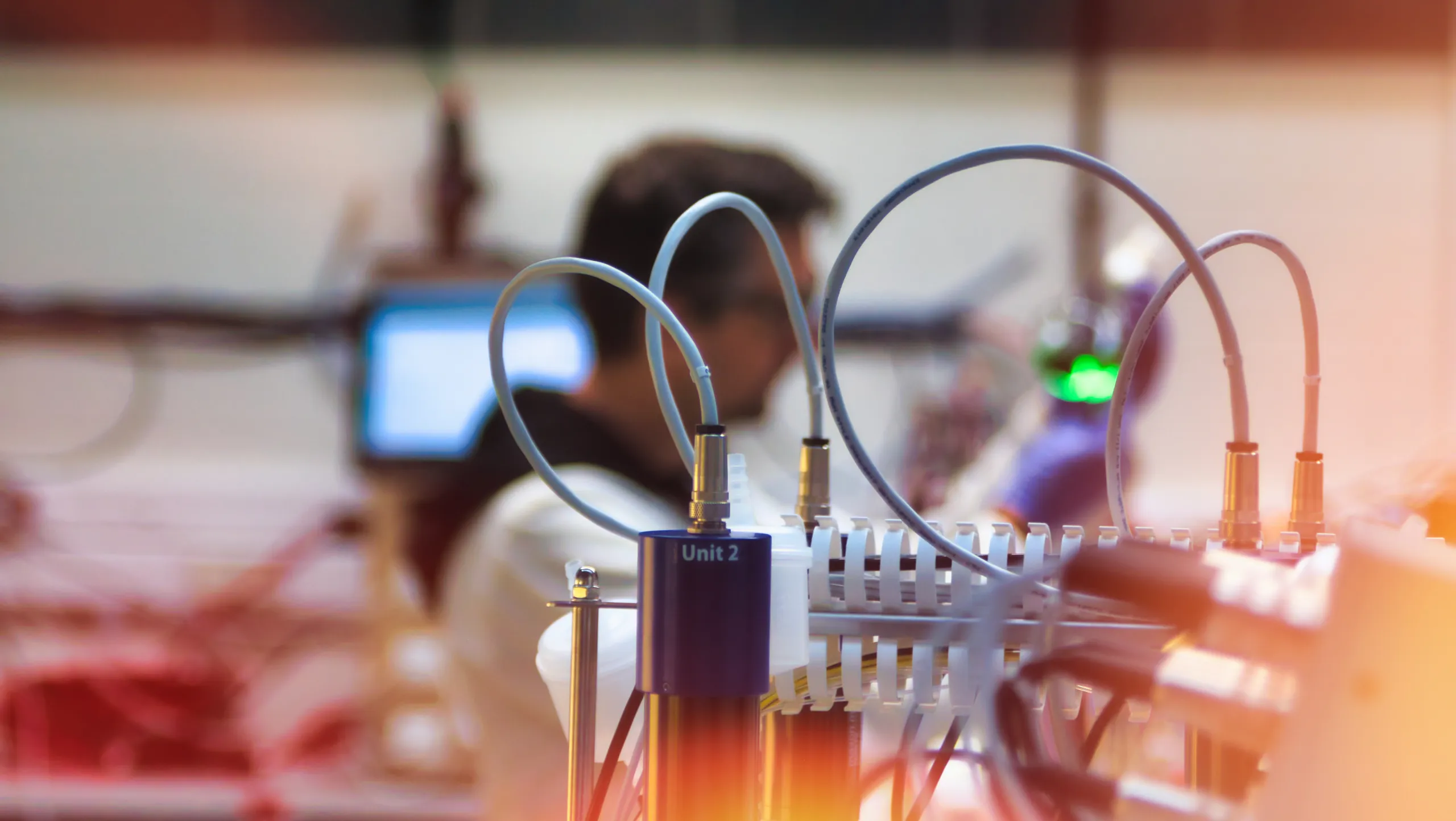
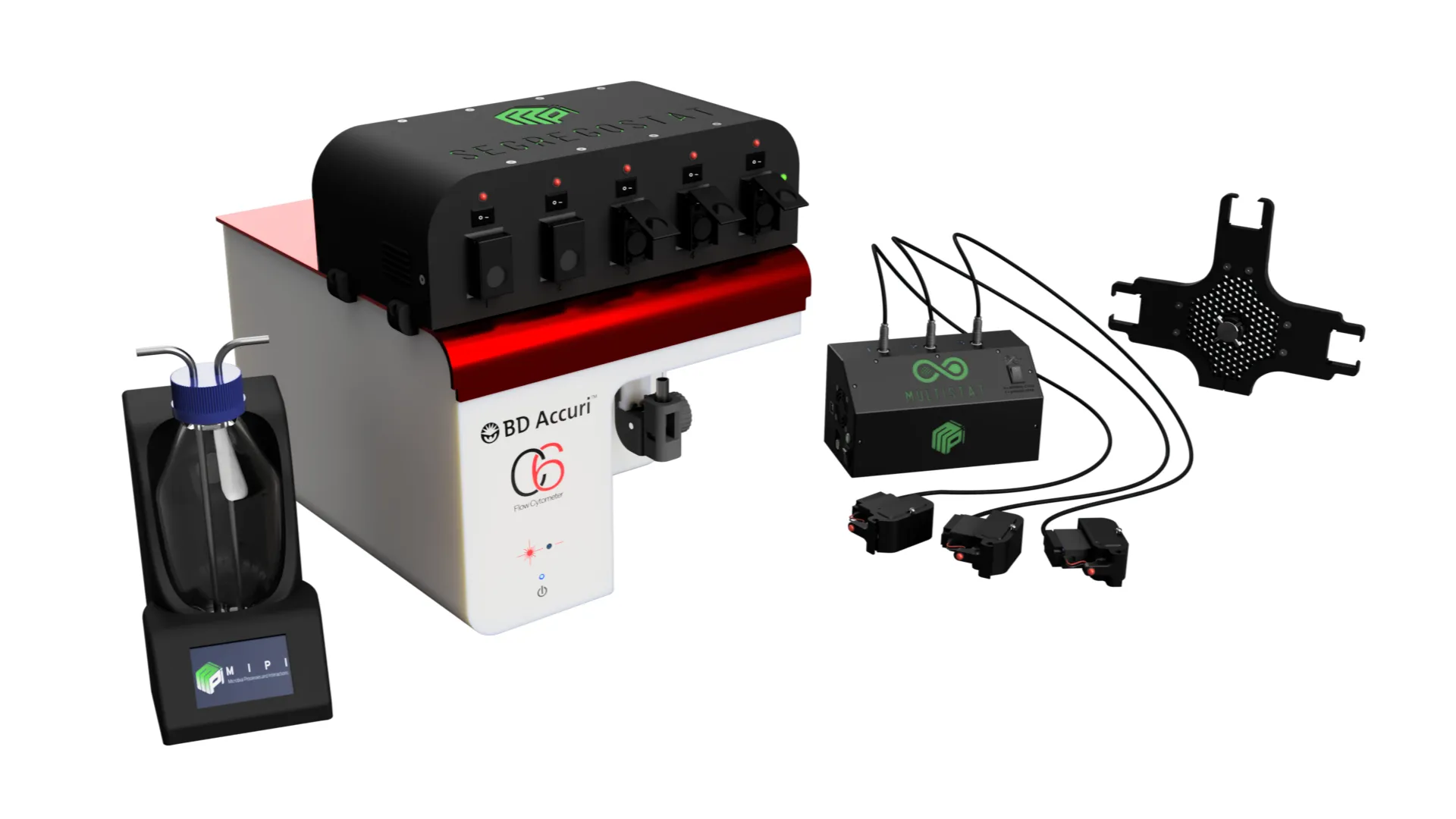
Explore our code & tools on GitLabAutomated flow cytometry (FC) with feedback control loop (Segregostat)
The FC has opened up a new frontier for investigating the intricate dynamics of cell populations and their diversification. In our laboratory, we utilise this technology to map the phenotypic diversification dynamics of various cell types, including Gram-positive and Gram-negative bacteria, as well as eukaryotic cells such as yeast. We also explore the diversification dynamics of different gene circuits, both natural and synthetic. By leveraging this advanced technology, we have been able to classify the diversification regimes exhibited by different cell types based on the concept of switching cost, which represents the reduction in fitness for cells that decide to activate a specific gene circuit. This groundbreaking approach has enabled us to gain a deeper understanding of the complex interactions between cells and their environments, with far-reaching implications such as continuous bioprocessing, control of biofilm switching and co-culture composition.
Microfluidics Single Cell Cultivation (MSCC)
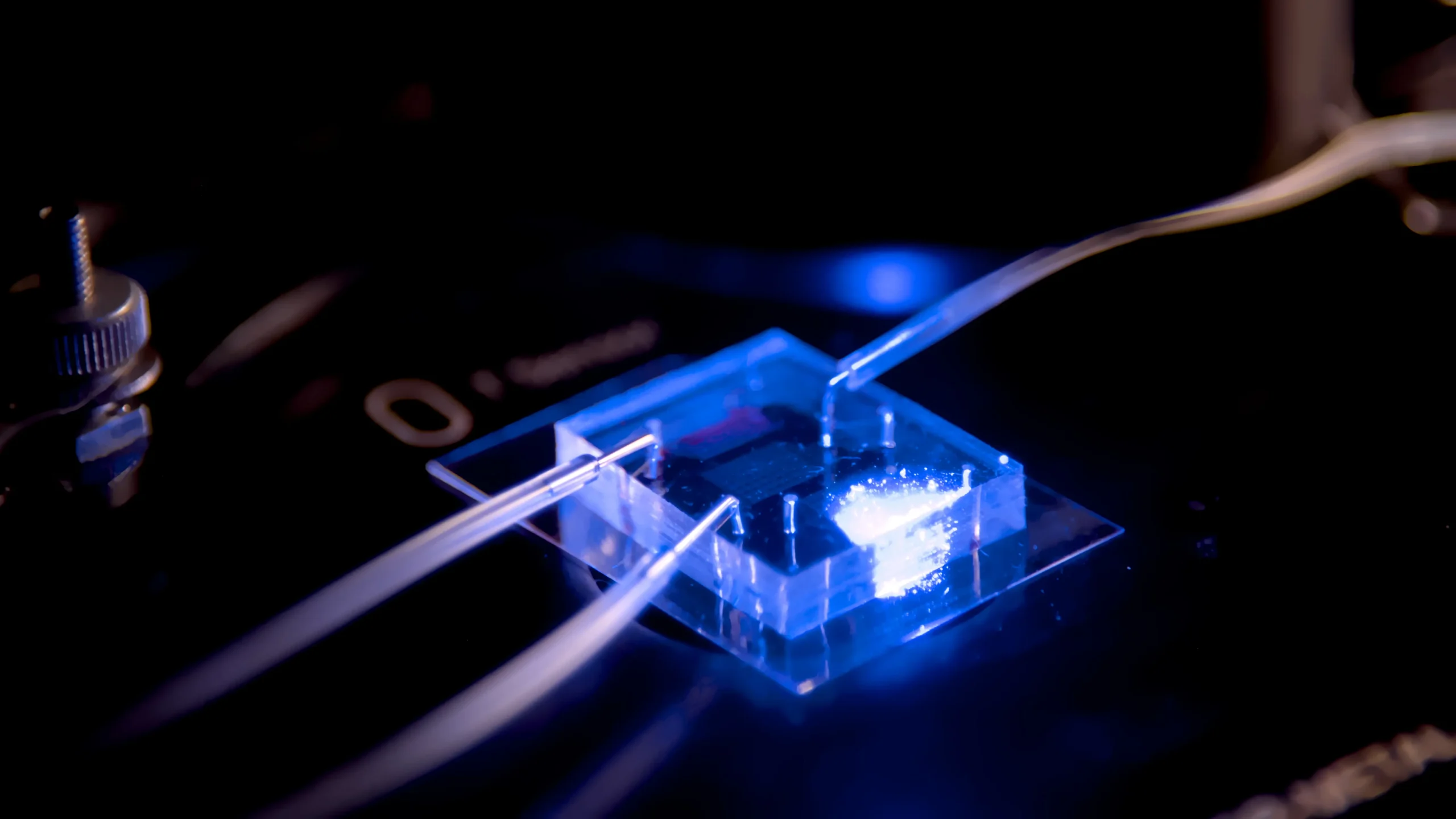
The MSCC chip enables real-time monitoring of cell growth as microcolonies in 2D cultivation chambers. This innovative device allows us to accurately track and analyse cell behaviour at the single-cell level, providing valuable insights into cell dynamics. The MSCC was initially developed by Prof. Alexander Grünberger, a renowned expert in the field and a long-standing collaborator and friend, at the Karlsruhe Institute of Technology (KIT) in Germany. By leveraging this cutting-edge technology, we can compute the switching cost at a single-cell resolution, offering a deeper understanding of cellular behaviour.
OEM – custom-built tools
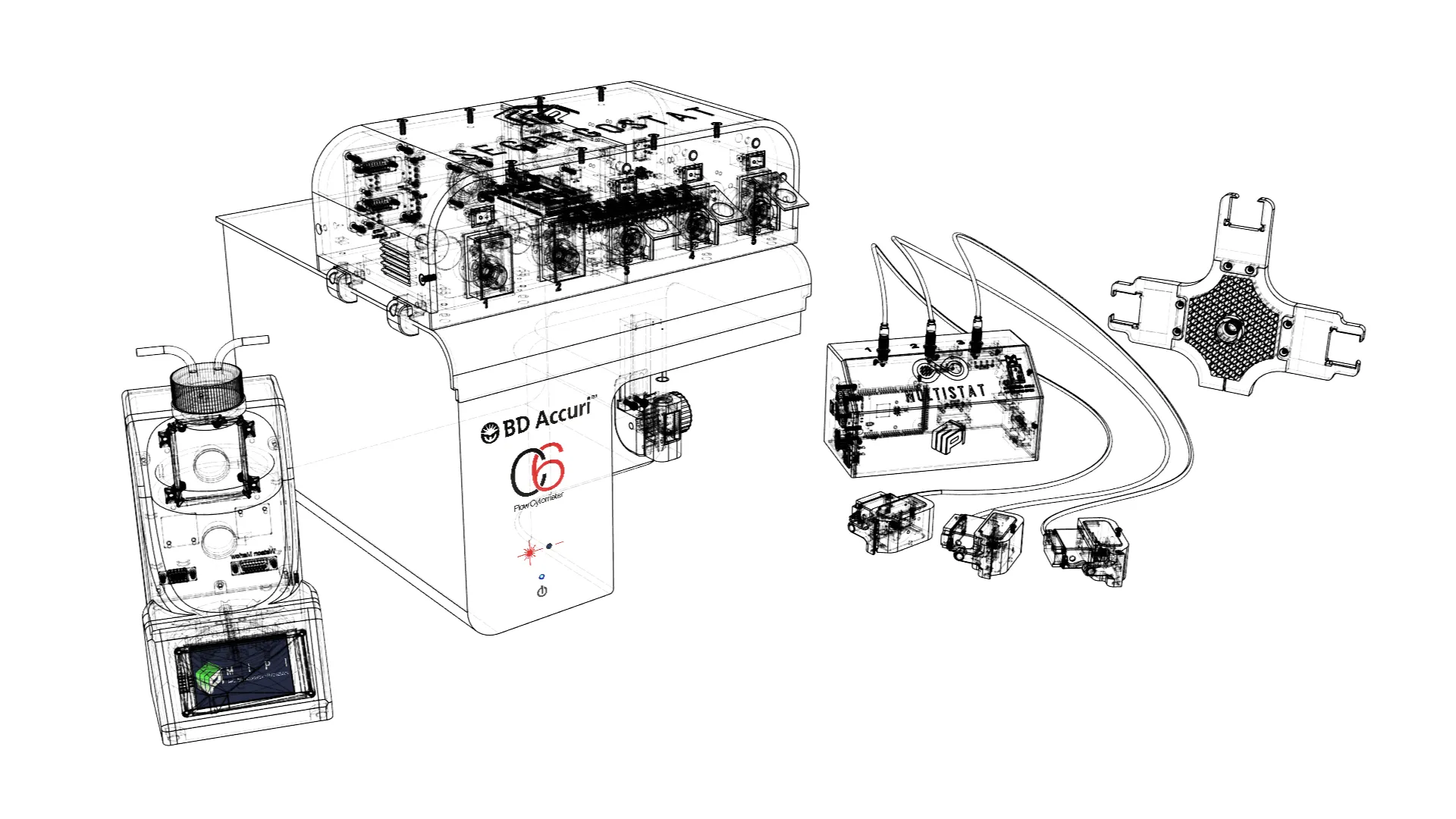
In our laboratory, we have a team of highly skilled and experienced technicians who play a crucial role in designing and assembling custom-built automated analytical tools and original cultivation setups. These systems enable us to conduct experiments that require precise control and manipulation, often going beyond the capabilities of commercially available equipment. To achieve this, we utilise a combination of homemade electronic chips, 3D-printed components, and innovative fabrication techniques. This allows us to tailor our experimental setup to meet the specific requirements of our research, enabling us to push the boundaries of what is possible in the field.
Modular modelling
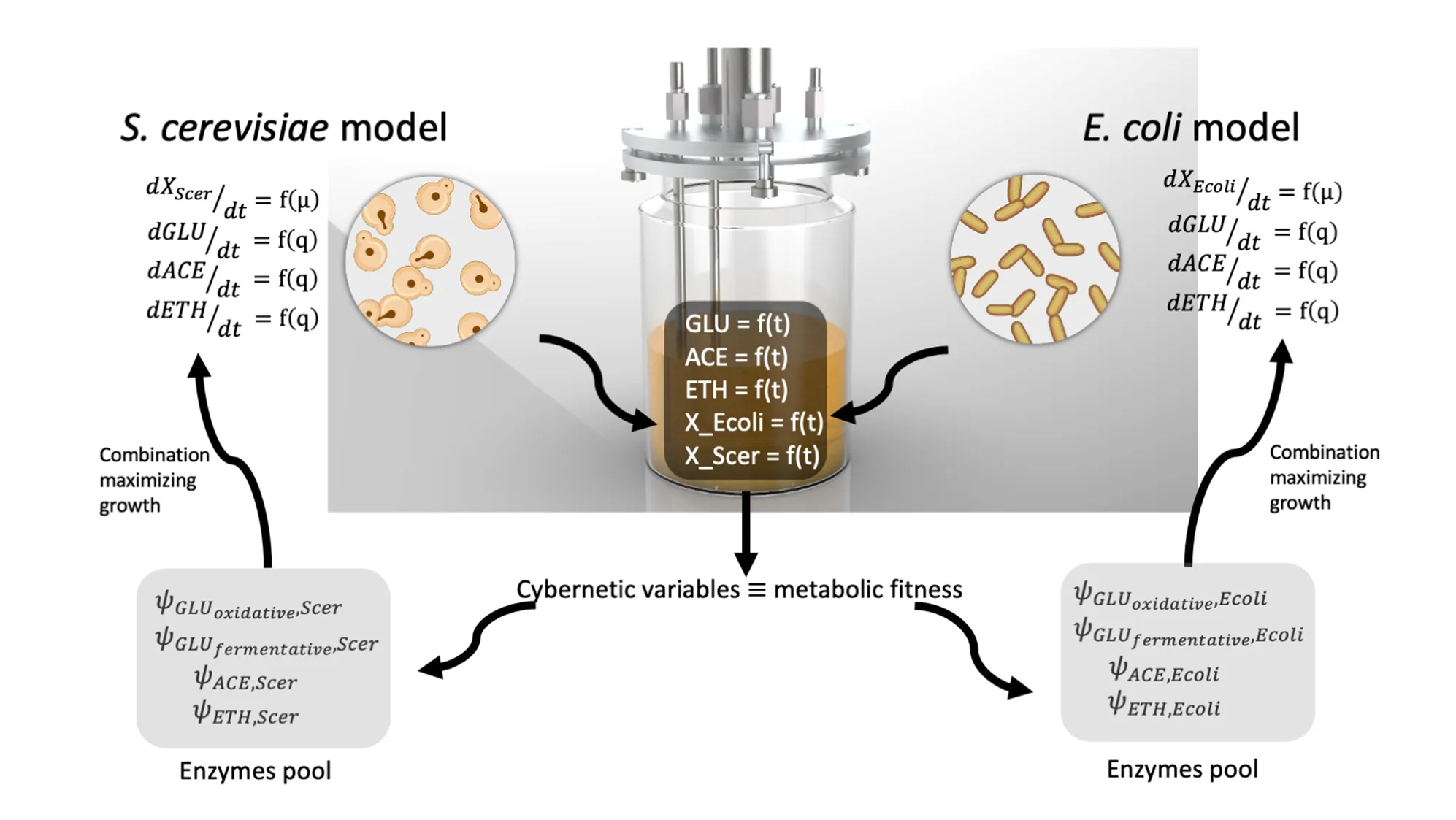
Single-cell measurements of cell populations over time enable the development of quantitative theories and hypotheses about biological systems. When formulating a hypothesis about a biological process, we face two significant challenges. Firstly, we need to isolate environmental conditions and interactions from the biological system, allowing us to apply the same biological theory across different environments. Secondly, we must be able to compare multiple, often competing, theories and hypotheses to evaluate different biological systems. To overcome these hurdles, we are developing a modular modelling and simulation system. Each model represents an experiment and consists of distinct modules that represent the culture device and the biological system. This modular approach enables us to easily switch between culture devices, applying the same biological components in different contexts. Similarly, when comparing our theories to the literature, we can reuse the culture device representation and simply update the relevant biological modules. The benefits of modular modelling extend beyond ease of management, as it also allows for the representation of complex systems, such as co-cultures or synthetic gene circuits, by simply adding biological components.